Problem Solving and Thinking Skills (Maths & Computing)
PSTS: Maths
Problem solving and thinking happens every day at Netherhall Mead Academy. We create opportunities for all our pupils to use their problem solving and thinking skills in other key areas of the curriculum and to apply these skills to real life situations. Pupils engage in purposeful, discrete, cross curricular, PSTS activities that are enjoyable, challenging and prepare pupils for life beyond school. We use the CPA (concrete, pictorial & abstract) approach which is a system of learning that uses physical and visual aids to build a pupil’s understanding of mathematical concepts.
PSTS: Computing
Our computing curriculum aims to provide pupils with the understanding and experiences to navigate the digital world safely and appropriately. We aim to equip our pupils with computing skills so they can enjoy and achieve the digital world during their schooling years and beyond. We are currently, at the early stages of implementing the Sheffield SEND Computing Scheme of Work. By following this program, this will ensure that all areas of the curriculum will be covered, and key skills built upon. Online safety units are covered regularly throughout the curriculum, year on year which is designed to complement the online safety message being taught in PSHE and RSE.

- Recognising their own name
- Understanding symbols and visual schedules
- Using objects, signs, symbols or AAC systems
- Identifying important information in school and the community
- Developing skills that promote independence and communication
- Stories and shared reading
- Sensory and interactive storytelling
-
Communication and language activities
-

-
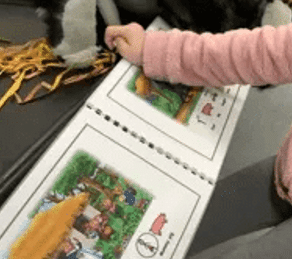
Symbol-supported texts
- Reading for pleasure
- Total communication approaches, including signing and AAC
Supporting reading at home
For advice on supporting your child’s reading and love of books at home, please speak to your child’s class teacher, who can provide personalised guidance and resources.